


The 3 Core Megatrends Reshaping Global Battery Materials Demand
The 3 Core Megatrends Reshaping Global Battery Materials Demand
For years, electric vehicles (EVs) have been the most visible driver of global battery materials demand. Lithium, nickel, cobalt, copper, and graphite have all been heavily influenced by the transition toward cleaner transportation.
Today, however, the battery materials market is no longer defined by EVs alone. Three powerful megatrends—energy storage, AI infrastructure, and battery recycling—are creating new layers of demand and rewriting the rules of the global battery supply chain.
This article explores how these trends are reshaping the market and why companies that build integrated supply chain capabilities will be best positioned for the future.
1. Grid-Scale Energy Storage Has Become a Major Demand Engine
Electric vehicles will continue to drive long-term battery demand growth. But stationary battery energy storage systems (BESS) have emerged as one of the fastest-growing new sources of battery material consumption.
As countries deploy more wind, solar, and other renewable energy capacity, grid stability has become a critical challenge. Renewable generation often fluctuates with weather and time of day, creating imbalances between power supply and demand.
BESS solves this problem by storing energy when supply is abundant and releasing it when demand is high. In this way, batteries are no longer just a transportation technology—they have become foundational infrastructure for the energy system.
Many key markets are seeing BESS installation growth rates exceed 50% annually. This rapid expansion directly increases demand for battery-grade lithium, nickel, and other minerals used in energy storage cells.
In the coming years, energy storage will remain one of the most important growth poles for the global battery materials industry.
2. AI Infrastructure Is Creating a New Growth Curve for Critical Minerals
Artificial intelligence is not only transforming computing—it is also creating unexpected new demand for battery materials.
AI data centers require enormous amounts of electricity to run servers, cooling systems, and network infrastructure. Even minor power disruptions can cause significant financial losses, service downtime, and operational risk.
For this reason, tech operators are investing heavily in backup power and energy storage solutions to keep data centers running continuously. This trend is creating a new and stable source of demand for both lithium and copper.
Lithium-based batteries provide reliable backup power, while copper remains essential for power transmission, distribution equipment, and data center cabling.
Unlike consumer electronics or electric vehicles, AI infrastructure represents a demand driver that is largely independent of the transportation sector. This expansion is broadening the long-term market ceiling for battery materials.
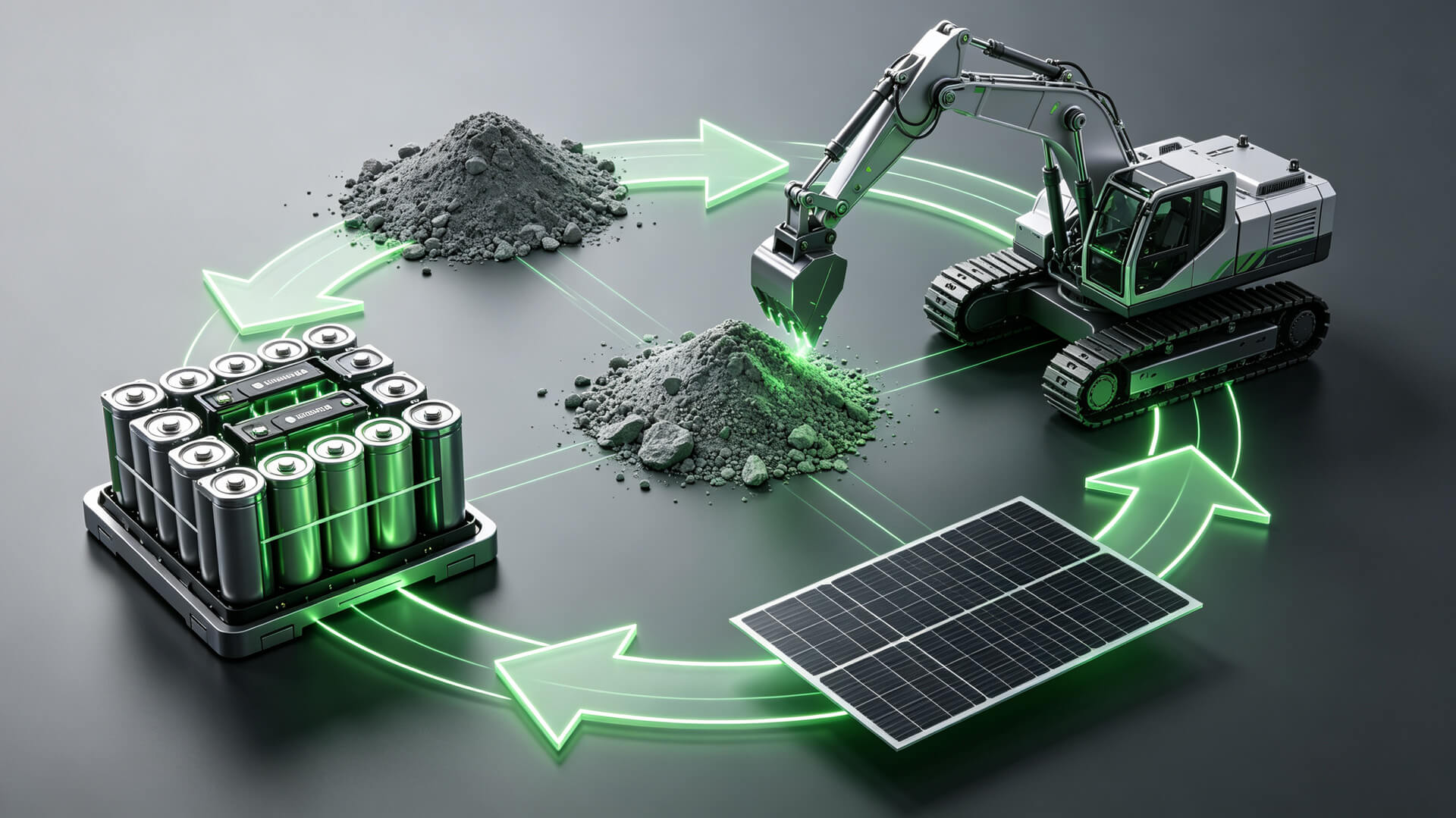
3. Battery Recycling Is Becoming a Core Part of Supply Chain Security
As demand for battery materials rises, supply chains are facing greater pressure to secure raw materials. This is making battery recycling far more important than in the past.
A growing number of early-generation EVs and energy storage systems are reaching the end of their life cycles. Advanced recycling technologies can recover high-purity cobalt, nickel, lithium, and other minerals from spent batteries, making them available for reuse in new battery production.
According to industry forecasts, recycled materials could eventually cover up to 35% of global cobalt and nickel demand and approximately 25% of lithium demand.
However, recycling will not fully replace primary mineral development. A stable battery supply chain requires both responsible extraction and efficient recycling.
By combining primary resource development with secondary material recovery, companies can reduce import dependence, strengthen supply chain resilience, and maximize the value of minerals already in circulation.
Conclusion: Integrated Capabilities Will Define the Future
The battery materials market is entering a new phase. What was once largely driven by electric vehicles is now being reshaped by energy storage, AI infrastructure, and circular recycling.
These trends mean that multiple high-growth industries are now competing for the same set of critical minerals. As a result, supply chain stability, sustainability, and strategic planning have become more important than ever.
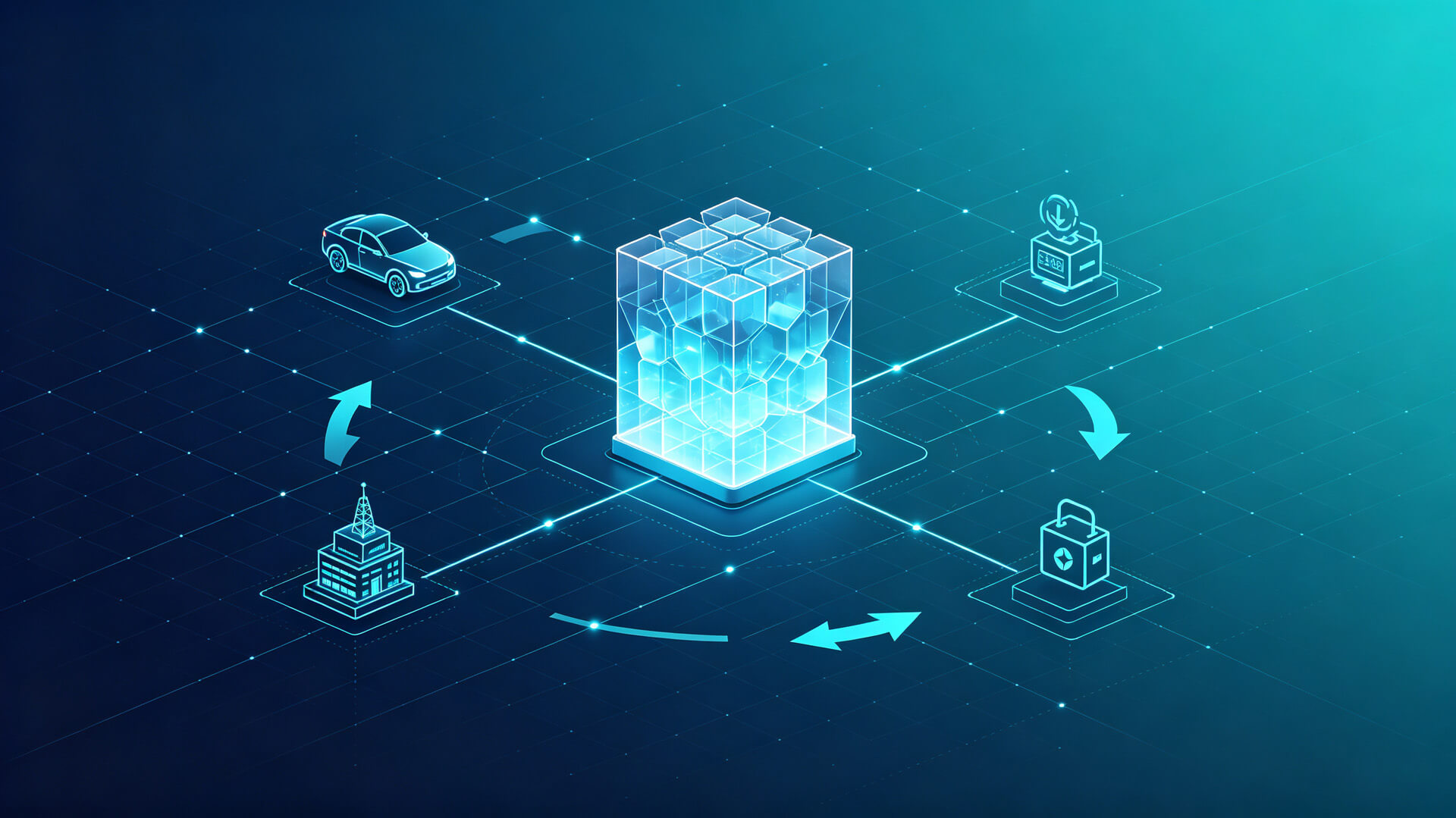
Future success will not depend on a single strength, such as mining or manufacturing. It will require an integrated approach that combines three capabilities: primary resource development, advanced material processing, and large-scale battery recycling.
Companies that build closed-loop systems across these stages will be better positioned to serve the energy transition, support AI infrastructure, and capture long-term value in the global battery materials ecosystem.
Post time: Aug-31-2026


